Planning & Vendors20 min read
Wedding Vendor Selection Guide 2025-2026: Destination Wedding Vendor Expertise
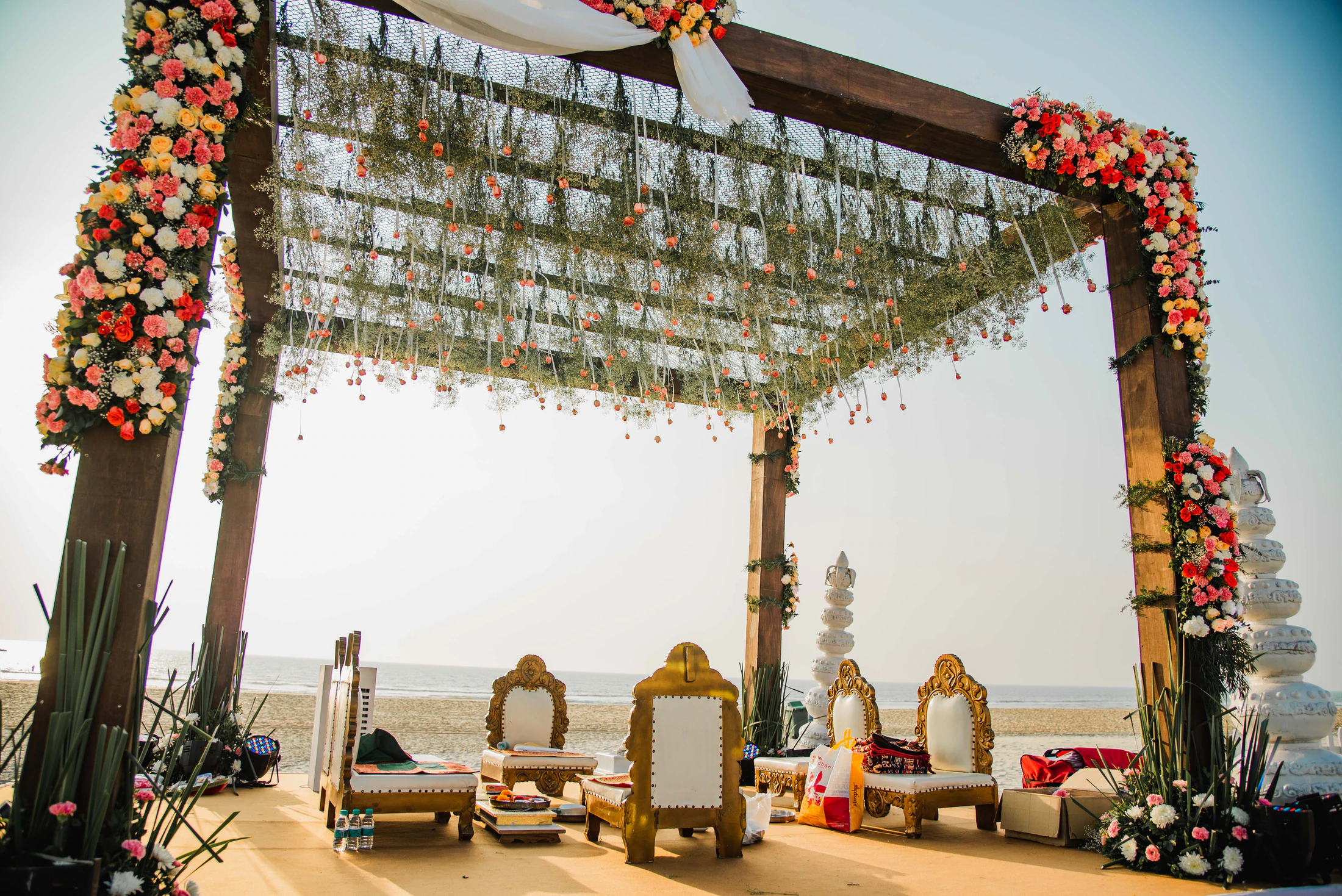
With India's destination wedding event planning segment growing at 17.5% CAGR—the fastest in the industry—choosing the right vendors is critical. Learn how planners charge 10-15% of budget (vs 20-25% internationally) but save 15-20% through vendor negotiations. This guide covers destination-specific vendor selection: local vs. traveling vendors at palace venues like Taj Lake Palace and Oberoi Udaivilas, Goa beach permit specialists, and why venue relationships matter for 18-month advance bookings at premium properties.
February 5, 2025By Elite Wedding Planning Team
Your wedding vendors are the professionals who transform your vision into reality. Choose the right team, and your wedding day unfolds seamlessly. Choose poorly, and you'll spend your engagement stressed and your wedding day disappointed.
After coordinating hundreds of weddings and working with thousands of vendors, we've developed a proven framework for vendor selection that ensures you hire talented professionals who align with your style, budget, and expectations.
Here's everything you need to know about building your dream wedding vendor team.
The Vendor Selection Framework
Step 1: Define Your Needs
Before reaching out to anyone, understand what you need.
Step 2: Research and Discover
Find potential vendors through multiple channels.
Step 3: Evaluate and Compare
Assess each vendor systematically.
Step 4: Interview and Connect
Meet your top choices and gauge fit.
Step 5: Review and Negotiate
Understand contracts and finalize terms.
Step 6: Book and Communicate
Secure your team and establish clear communication.
Let's break down each vendor category with specific guidance.
Wedding Photographer
Why They Matter
Your photos are the only tangible thing you'll have after the wedding. This is your most important vendor investment.
Budget Allocation: 10-15% of total budget
Typical investment: $2,500-$8,000+
When to Book: 12-18 months before wedding
Top photographers book early, especially for peak season dates.
Research Questions
Portfolio review:
- Do you connect emotionally with their work?
- Is their style consistent across weddings?
- Do you see yourself in their photos?
- How do they handle different lighting situations?
- Do you like their editing style (colors, contrast, mood)?
Key considerations:
- Style: Documentary/photojournalistic, fine art, traditional/posed, dark and moody, light and airy
- Approach: Hands-on direction vs. fly-on-wall observation
- Deliverables: Number of edited photos, turnaround time, print rights
Essential Questions to Ask
-
"How many weddings have you photographed?"
- Look for: 20+ weddings for experienced, 50+ for seasoned pros
- Newbies aren't necessarily bad but adjust expectations and price
-
"Have you shot at my venue before?"
- Familiarity helps but isn't required
- If not, will they scout location beforehand?
-
"What's included in your packages?"
- Hours of coverage
- Second shooter (highly recommended)
- Engagement session
- Number of edited images
- Online gallery
- Print rights
- Physical prints or album
-
"What's your turnaround time?"
- Typical: 6-12 weeks for full gallery
- Sneak peeks: 1-2 weeks
- Get this in writing
-
"Can I see a full wedding gallery, not just highlights?"
- Critical: Highlights always look great
- Full gallery shows consistency and how they handle challenging moments
-
"What's your backup plan if you're sick or unable to shoot?"
- Should have network of comparable backup photographers
- Should be in contract
-
"Do you carry liability insurance?"
- Professional photographers should have insurance
- Some venues require proof
-
"What's your editing process?"
- How much retouching is included?
- Can you request specific edits?
- What's the fee for additional editing?
Red Flags
- Won't show full galleries
- No backup plan
- Promises specific number of photos (quality > quantity)
- No contract or vague contract terms
- Poor communication during booking process
- Pushy sales tactics
- No insurance
- Inconsistent portfolio quality
Contract Must-Haves
- Date, time, location
- Hours of coverage
- Deliverables (number of images, format)
- Turnaround timeline
- Payment schedule
- Cancellation policy (both sides)
- Backup photographer clause
- Usage rights (can you print and share?)
- What happens to raw files
Pro Tips
- Meet in person or video call—personality matters!
- You'll spend 8+ hours with them; choose someone you genuinely like
- Ask about vendor meals (they'll need to eat during reception)
- Discuss "must-have" shot list but don't over-prescribe
- Trust their artistic vision while communicating your priorities
Videographer
Why They Matter
Photos capture moments; video captures emotion, movement, and voices you'll want to relive forever.
Budget Allocation: 8-12% of total budget
Typical investment: $2,000-6,000+
When to Book: 10-15 months before wedding
Types of Wedding Videos
Highlight reel (3-5 minutes):
- Cinematic edit of best moments
- Set to music
- Perfect for sharing
Documentary/feature film (20-60 minutes):
- Complete story of the day
- Includes speeches, ceremony, key moments
- More comprehensive coverage
Raw footage:
- Unedited footage from all cameras
- Usually additional fee
- Useful for creating your own edits later
Essential Questions to Ask
-
"Can I see full ceremony and speech videos?"
- Highlights always look amazing
- Full videos show audio quality and how they handle long moments
-
"How many cameras and videographers?"
- Minimum 2 cameras for good coverage
- 2 videographers ideal for larger weddings
-
"What's included in the package?"
- Hours of coverage
- Number of edited videos
- Highlight reel
- Full ceremony/speeches
- Drone footage
- Raw footage
- Turnaround time
-
"What's your filming style?"
- Cinematic (more artistic, may miss some moments)
- Documentary (comprehensive, everything captured)
- Hybrid (most common)
-
"How do you handle audio?"
- Wireless mics on groom/officiant
- How they capture vows and speeches
- Backup audio recording
-
"What's your turnaround time?"
- Highlight reel: 4-8 weeks typical
- Full edit: 3-6 months typical
- Ensure timeline is in contract
Red Flags
- Only shows Instagram clips, not full videos
- Shaky or poor quality footage
- Bad audio in samples
- Unwilling to discuss process
- No backup equipment plan
Budget Tip
If videography isn't in budget initially:
- Book photographer first
- Add videographer later if funds allow
- Consider videographer for ceremony only (reduced package)
- Ask recently married friends if they regret skipping video (most do)
Caterer/Venue with Catering
Why They Matter
Food is what guests remember most. Great food elevates the entire experience; bad food ruins it.
Budget Allocation: 40-45% of total budget
Typical investment: $80-$200+ per person
When to Book: 12 months before (with venue) or 9-10 months (independent caterer)
Venue Catering vs. Independent Caterer
Venue with in-house catering:
- Pros: Simplified planning, one point of contact, knows the space
- Cons: Less flexibility, may be more expensive, limited menu changes
Independent caterer:
- Pros: More options, can customize fully, potential cost savings
- Cons: Requires more coordination, may need rentals, not familiar with venue
Essential Questions to Ask
-
"Can we schedule a tasting?"
- Absolutely essential
- Taste multiple menu options
- Bring fiancé and maybe parents paying
- Check presentation, temperature, portion sizes
-
"What's your pricing structure?"
- Per-person pricing
- What's included (apps, dinner, dessert, service, rentals)
- Service charges and gratuity (often 20-25% on top)
- Bar pricing (hosted, consumption, package)
- Vendor meal pricing
- Cake cutting fee (if bringing outside cake)
-
"How do you handle dietary restrictions?"
- Vegetarian/vegan options
- Gluten-free, dairy-free, nut allergies
- Religious dietary needs (kosher, halal)
- How guests communicate restrictions
- How meals are tracked and served correctly
-
"What's the service staff ratio?"
- Ideal: 1 server per 15-20 guests
- 1 bartender per 75-100 guests
- Ensures good service and timely food
-
"What's included in your service?"
- Setup and breakdown
- Tables, chairs, linens, place settings
- Buffet vs. plated service
- Cocktail hour coverage
- Late-night service
- Coffee and tea service
- Cake cutting and serving
-
"What's your cancellation and postponement policy?"
- Especially important post-pandemic
- Deposit refund terms
- Date change flexibility
- Force majeure clause
-
"When do you need final headcount?"
- Typically 7-14 days before
- Understand if you can reduce count or only increase
- Minimum guarantee requirements
Menu Planning Tips
Consider:
- Season and local availability
- Time of day (brunch, lunch, dinner)
- Guest demographics (ages, cultures)
- Venue style (formal vs. casual)
- Service style (buffet, plated, family-style, stations)
Popular styles:
- Plated dinner: Elegant, predictable timing, portion controlled
- Buffet: Variety, guest choice, can be cost-effective
- Family-style: Social, abundant, requires table space
- Food stations: Interactive, variety, good flow
Cost-saving strategies:
- Choose chicken or pork over beef or lamb
- Seasonal, local ingredients
- Buffet over plated (sometimes)
- Lunch or brunch vs. dinner
- Limited bar vs. premium open bar
- Beer and wine only (skip full liquor)
Red Flags
- Unwilling to provide tasting
- Vague pricing with many hidden fees
- Poor communication or responsiveness
- Dirty kitchen or facilities (if you visit)
- No liability insurance
- Bad online reviews about food quality or service
- Pushy upselling without listening
Wedding Planner/Coordinator
Why They Matter
Planners save you money, time, and stress while ensuring flawless execution.
Budget Allocation: 10-15% of total budget
Typical investment: $1,500-$10,000+ depending on service level
When to Book: As early as possible (full-service) or 3-6 months before (day-of coordinator)
Types of Planning Services
Full-service planning ($3,000-$10,000+):
- From engagement to wedding day
- Vendor recommendations and coordination
- Budget management
- Design and vision development
- Timeline creation
- Day-of coordination included
- Best for: Couples who want expert guidance throughout
Partial planning ($2,000-$5,000):
- Starts 3-6 months before wedding
- Helps finish details and vendor coordination
- Timeline creation
- Day-of coordination
- Best for: Couples who've booked main vendors but need help finishing
Day-of coordination ($1,000-$2,500):
- Final month of planning support
- Vendor coordination on wedding day
- Timeline management and troubleshooting
- Family coordination
- Best for: Organized couples who need someone else to execute the plan
Month-of coordination ($1,500-$3,000):
- Final 4-6 weeks before wedding
- Vendor confirmations and coordination
- Rehearsal and day-of coordination
- Best for: DIY couples who want professional day-of support
Essential Questions to Ask
-
"How many weddings do you coordinate per year?"
- Full-time planner: 15-30 weddings/year
- Part-time: 5-15 weddings/year
- More experience generally better, but new planners can be great too (adjust price)
-
"Will you personally be at my wedding?"
- Some companies send associate planners
- Know who you're working with vs. who executes
-
"How many weddings do you take per weekend?"
- Ideally: One wedding per day
- Maximum: Two (one ceremony/early event, one evening)
- More than two is a red flag
-
"What's included in your service?"
- Unlimited communication or limited hours?
- Vendor recommendations
- Budget tracking
- Contract review
- Design consultation
- Rehearsal coordination
- Hours on wedding day
- Number of assistant coordinators
-
"How do you handle emergencies?"
- Emergency kit contents
- Backup plans
- Problem-solving approach
- Examples of issues they've handled
-
"Do you have vendor relationships?"
- Good planners have trusted vendor networks
- May get you better pricing
- Ensures quality vendors
-
"What's your planning process and timeline?"
- How often do you meet?
- What tools do you use?
- How do you communicate?
- What's expected from you?
Red Flags
- Books unlimited weddings
- Won't share full vendor list or portfolio
- Poor organization or communication during booking
- No contract or unclear terms
- No insurance
- Negative reviews about day-of execution
- Pushy about specific vendors (may get kickbacks)
Worth the Investment?
You probably need a planner if:
- You have limited time for planning
- You're planning from a distance
- You're having a large wedding (150+ guests)
- You're overwhelmed by options
- You want professional design
- You don't know where to start
You might skip if:
- Very small wedding (under 30 guests)
- Ultra-tight budget
- You love planning and have the time
- You're very organized and detail-oriented
Minimum recommendation: Day-of coordinator. Worth every penny to ensure someone handles logistics while you enjoy your day.
Florist
Why They Matter
Florals set the visual tone and create atmosphere. Good florals elevate; great florals transform.
Budget Allocation: 8-12% of total budget
Typical investment: $2,000-$8,000+
When to Book: 8-10 months before wedding
Essential Questions to Ask
-
"Can you work within our budget?"
- Be upfront about budget
- Florists can scale up or down
- Discuss priorities (bridal bouquet vs. centerpieces vs. ceremony)
-
"What flowers are in season for our date?"
- Seasonal flowers are fresher and more affordable
- Out-of-season means imported = expensive
- Alternatives to dream flowers if not in season
-
"Can you create a design based on our inspiration photos?"
- Bring Pinterest board or magazine clippings
- Discuss colors, style, and vibe
- Ask for their creative input
-
"What's your design process?"
- Do they create mockups or samples?
- When do you finalize details?
- Can you see arrangements before wedding?
-
"What's included in your pricing?"
- Personal flowers (bouquets, boutonnieres, corsages)
- Ceremony flowers (arch, aisle, altar)
- Reception centerpieces
- Other arrangements (escort card table, bar, restrooms)
- Delivery, setup, breakdown
- Rental items (vases, arches, pedestals)
- Breakdown and pickup
-
"What happens to flowers after the wedding?"
- Can guests take centerpieces?
- Do you arrange donation (hospitals, nursing homes)?
- Flower preservation services?
-
"Do you have photos from our venue?"
- Knows the space and what works
- Can advise on quantities and placement
Budget-Stretching Strategies
Prioritize:
- Splurge: Bridal bouquet, ceremony installation
- Save: Bridesmaid bouquets (smaller), reception florals (use greenery)
Alternatives:
- Greenery-heavy designs with accent florals
- Candles and lighting for ambiance (vs. all florals)
- Repurpose ceremony flowers at reception
- Potted plants guests can take home
- Dried flowers and pampas grass (less expensive, keeps forever)
- Non-floral centerpieces (lanterns, candles, books, fruit)
Seasonal choices:
- Spring: Tulips, ranunculus, peonies (when in season)
- Summer: Sunflowers, dahlias, zinnias
- Fall: Dahlias, mums, berries
- Winter: Amaryllis, evergreens, white roses
Red Flags
- Can't show examples similar to your vision
- Won't discuss budget constraints
- Unclear pricing or hidden fees
- Poor communication
- No contract
- Promises flowers that aren't available in your season
DJ/Band
Why They Matter
Music creates energy, emotion, and atmosphere. Great entertainment keeps guests engaged and celebrating.
Budget Allocation: 8-10% of total budget
Typical investment:
- DJ: $1,000-$3,000
- Band: $3,000-$10,000+
When to Book: 8-10 months before wedding
DJ vs. Band Decision
Choose DJ if:
- You want variety and specific songs
- Working with smaller budget
- Space is limited
- You want continuous music
- You like current pop/dance music
Choose Band if:
- You want live music energy
- Larger budget available
- You have adequate space
- You prefer live vocals and instrumentation
- Your style is jazz, Motown, big band, or classics
Hybrid option: Band for dinner/early dancing, DJ for late-night party
Essential Questions to Ask
For DJs:
-
"Can I hear you DJ a full event or see you live?"
- Attend a showcase or another wedding (with couple's permission)
- Mixes/playlists don't show emcee skills or crowd reading
-
"What's your music library like?"
- Variety of eras and genres
- Ability to accommodate special requests
- How do they handle requests from guests?
-
"What's your approach to reading the crowd?"
- Do they stick to playlist or adapt?
- How do they build energy?
- How do they handle empty dance floor?
-
"What emcee services do you provide?"
- Announcing key moments
- Working with planner on timeline
- Personality (low-key vs. high-energy)
-
"What equipment do you provide?"
- Sound system adequate for venue size
- Backup equipment
- Lighting (uplighting, dance floor, etc.)
- Microphones for ceremony and toasts
For Bands:
-
"Can we see you perform live?"
- Essential to see the actual band, not a showcase with different musicians
-
"How many musicians, and can we choose the lineup?"
- Common: 4-piece to 12-piece
- Larger = more expensive but fuller sound
- Can you scale up/down?
-
"What's your song list?"
- Genres and eras covered
- Can they learn special songs (first dance, parent dances)?
- Song request process
-
"Do you provide breaks, and what happens during them?"
- Typically: 2-3 sets with breaks
- DJ playlist during breaks or silence?
- Continuous music is ideal
-
"What's your space and power requirement?"
- Stage size needed
- Electrical requirements
- Load-in and setup time
Music Planning Tips
Create lists together:
- Must-play: Songs that define you, genres you love
- Please don't play: Songs you hate ("YMCA," "Chicken Dance," etc.)
- Special songs: First dance, parent dances, cake cutting, bouquet toss
Trust their expertise:
- They know what works at weddings
- Give guidance but allow flexibility
- Over-prescribing kills spontaneity
Timeline coordination:
- Ensure DJ/band has timeline
- Coordinates with planner and photographer for key moments
- Built-in flexibility for delays
Red Flags
- Won't let you see them perform live
- No backup equipment or plan
- Poor communication or disorganized
- Cheesy, outdated performances
- Unwilling to honor do-not-play list
- No contract or vague terms
Hair and Makeup Artists
Why They Matter
You want to look and feel your absolute best, and professional hair and makeup ensures that.
Budget Allocation: 2-3% of total budget
Typical investment: $300-$1,200 (bride + trial)
When to Book: 6-9 months before wedding
Essential Questions to Ask
-
"Can I see your portfolio of wedding hair/makeup?"
- Variety of styles
- Work similar to what you want
- How does it hold up? (ask to see later-in-day photos)
-
"Do you offer trials?"
- Essential for makeup and complex hairstyles
- Typical: $100-200 for trial
- Schedule 2-3 months before wedding
- Bring inspiration photos
-
"What products do you use?"
- High-quality, professional brands
- Long-lasting formulas
- Airbrush vs. traditional makeup
- Will they match your skincare/preferences?
-
"Do you travel to our getting-ready location?"
- Most will travel within a radius
- Travel fee for longer distances
- How much space do they need?
-
"What's your timeline for services?"
- Hair: 45-60 minutes per person
- Makeup: 45-60 minutes per person
- Bride usually takes longer
- Can they bring assistants for large parties?
-
"What's included in your pricing?"
- Bride hair and makeup
- Bridesmaids/family (additional fees)
- Touch-ups during event
- False lashes
- Trial session
- Travel within area
Beauty Trial Tips
Prepare:
- Bring inspiration photos
- Bring your veil/hairpiece if you have it
- Wear a white or neutral top (see how makeup looks against white)
- Bring your wedding earrings
Evaluate:
- How does it look in person?
- How does it photograph?
- How does it look after a few hours?
- How do you feel? Confident and like yourself?
Communicate:
- Be honest if you don't love something
- Ask for adjustments
- Discuss durability (crying, heat, humidity, dancing)
Red Flags
- Won't do trial or charges excessive fee
- Portfolio doesn't match your style
- Uses low-quality products
- Doesn't listen to your vision
- Unclear pricing
- Rushed or disorganized trial
General Vendor Selection Tips
Finding Vendors
Best sources:
- Wedding planner recommendations (vetted professionals)
- Venue preferred vendor list (know the space)
- Recently married friends (trusted reviews)
- Wedding websites (WeddingWire, The Knot—read reviews carefully)
- Instagram and Pinterest (search location-based hashtags)
- Industry showcases and wedding shows (meet vendors in person)
- Local publications (wedding magazines, blogs)
Evaluation Framework
For each vendor, evaluate on these criteria:
Portfolio/Work Quality (40%):
- Does their work align with your style?
- Is it consistent across projects?
- Do you see yourself in their work?
Personality/Connection (30%):
- Do you feel comfortable with them?
- Do they understand your vision?
- Would you enjoy working with them for months?
Value/Investment (20%):
- Is pricing transparent and fair?
- What's included vs. extra?
- Is it within your budget or worth stretching for?
Professionalism (10%):
- Responsive communication?
- Organized and prepared?
- Clear contract and policies?
- Insurance and backup plans?
Contract Essentials
Every vendor contract should include:
- Date, time, and location of event
- Specific services provided (detailed list)
- Deliverables (what you'll receive and when)
- Pricing breakdown (itemized costs)
- Payment schedule (deposits, milestones, final payment)
- Cancellation policy (for both parties)
- Postponement terms (especially important post-pandemic)
- What happens if vendor can't perform (sickness, emergency)
- Liability and insurance information
- Usage rights (especially photos/video)
Red Flags Across All Vendors
- No contract or vague contract
- Requests cash-only payment
- Won't provide proof of insurance
- Poor communication or slow responses
- Negative reviews or online complaints
- Pushy sales tactics
- Too good to be true pricing
- No portfolio or references
- Unprofessional behavior
- Unclear pricing with many hidden fees
Budget Allocation Summary
Here's how to allocate your vendor budget:
- Venue & Catering: 40-45%
- Photography: 10-15%
- Videography: 8-12%
- Planner/Coordinator: 10-15%
- Florals: 8-12%
- Music/Entertainment: 8-10%
- Hair & Makeup: 2-3%
- Stationery: 2-3%
- Transportation: 2-3%
- Miscellaneous: 5-10%
Booking Timeline
Book vendors in this order for best results:
12-18 months before:
- Venue
- Wedding planner (if full-service)
- Photographer
9-12 months before: 4. Caterer (if separate from venue) 5. Videographer 6. Band/DJ 7. Florist
6-9 months before: 8. Hair and makeup 9. Cake/desserts 10. Officiant 11. Transportation
3-6 months before: 12. Stationery/invitations 13. Day-of coordinator (if not using full planner) 14. Rentals 15. Any specialty vendors
Vendor Communication Best Practices
During Planning
Be clear and organized:
- Respond to emails promptly
- Keep all communication in one thread per vendor
- Share your master timeline with everyone
- Provide inspiration boards or detailed vision
Be realistic:
- About budget constraints
- About timeline and deadlines
- About what's possible logistically
Be decisive:
- Don't drag out decisions
- Once you've decided, commit
- Last-minute changes cost money and stress
Before the Wedding
Final confirmations (1 month before):
- Send email to each vendor
- Confirm date, time, location
- Confirm final details and counts
- Confirm contact information
- Share final timeline
- Confirm delivery/arrival times
Vendor timeline (2 weeks before):
- Detailed timeline shared with all vendors
- Include other vendors' contact info
- Clear expectations for coordination
- Your emergency contacts
Day-Of Communication
Designate point person:
- Planner or day-of coordinator
- NOT you or your partner
- Handles all vendor questions and coordination
- Has vendor contact list and timeline
After the Wedding
Thank you notes:
- Send to vendors who exceeded expectations
- Mention specific things they did well
Reviews:
- Leave honest reviews on vendor websites
- Share your experience to help future couples
- Tag vendors in social media posts (with permission)
Final payments:
- Pay final invoices promptly
- Gratuities for exceptional service
Building Vendor Relationships
Treat Vendors Well
Good vendors are partners, not servants:
Feed them:
- Include vendor meals in catering contract
- Provide meals during long events
- Give them actual food, not just snacks
Respect their time:
- Stick to timeline
- Don't book back-to-back with no buffer
- Communicate changes promptly
Trust their expertise:
- They've done this hundreds of times
- Ask questions but don't micromanage
- Consider their professional advice
Pay fairly and on time:
- Don't nickel and dime
- Pay deposits when due
- Gratuities for excellent service
- Final payments promptly after event
When Issues Arise
Address problems early:
- Don't wait until last minute
- Communicate concerns professionally
- Give vendor chance to make it right
- Document everything in writing
Stay calm and solution-focused:
- Emotions are high during wedding planning
- Approach conflicts constructively
- Focus on solving the problem, not blame
- Escalate to planner if needed
Know when to cut losses:
- If vendor is unprofessional, unresponsive, or incompetent
- Review contract for cancellation terms
- Document all issues
- Find replacement ASAP
- May lose deposit but better than bad vendor on wedding day
Final Thoughts: Your Vendor Team Makes Your Wedding
The vendors you choose will directly impact:
- How stressed or relaxed you feel during planning
- How smoothly your wedding day flows
- How beautiful everything looks
- How guests experience your celebration
- What memories you'll have forever
Take time to find vendors who:
- Align with your style and vision
- Fit within your budget
- Communicate clearly and professionally
- You genuinely enjoy working with
- Have the skills and experience to deliver
Your vendor team should feel like your wedding dream team—talented professionals who understand your vision and work together seamlessly to bring it to life.
Invest the time in thorough research, thoughtful evaluation, and clear communication, and you'll build a vendor team that creates the wedding of your dreams.
Need help finding and coordinating your vendor team? Elite Wedding Planner has relationships with the best vendors in the industry and can help you build your dream team within your budget. Schedule a consultation to discuss your needs and get personalized vendor recommendations.
Private planning direction
Turn this guide into venue-fit options.
Share destination, month, guest count and budget range. Elite can help you understand venue fit, guest movement, decor scale, vendor coordination and wedding-week production before you commit.
Useful next pages
Plan Goa wedding